
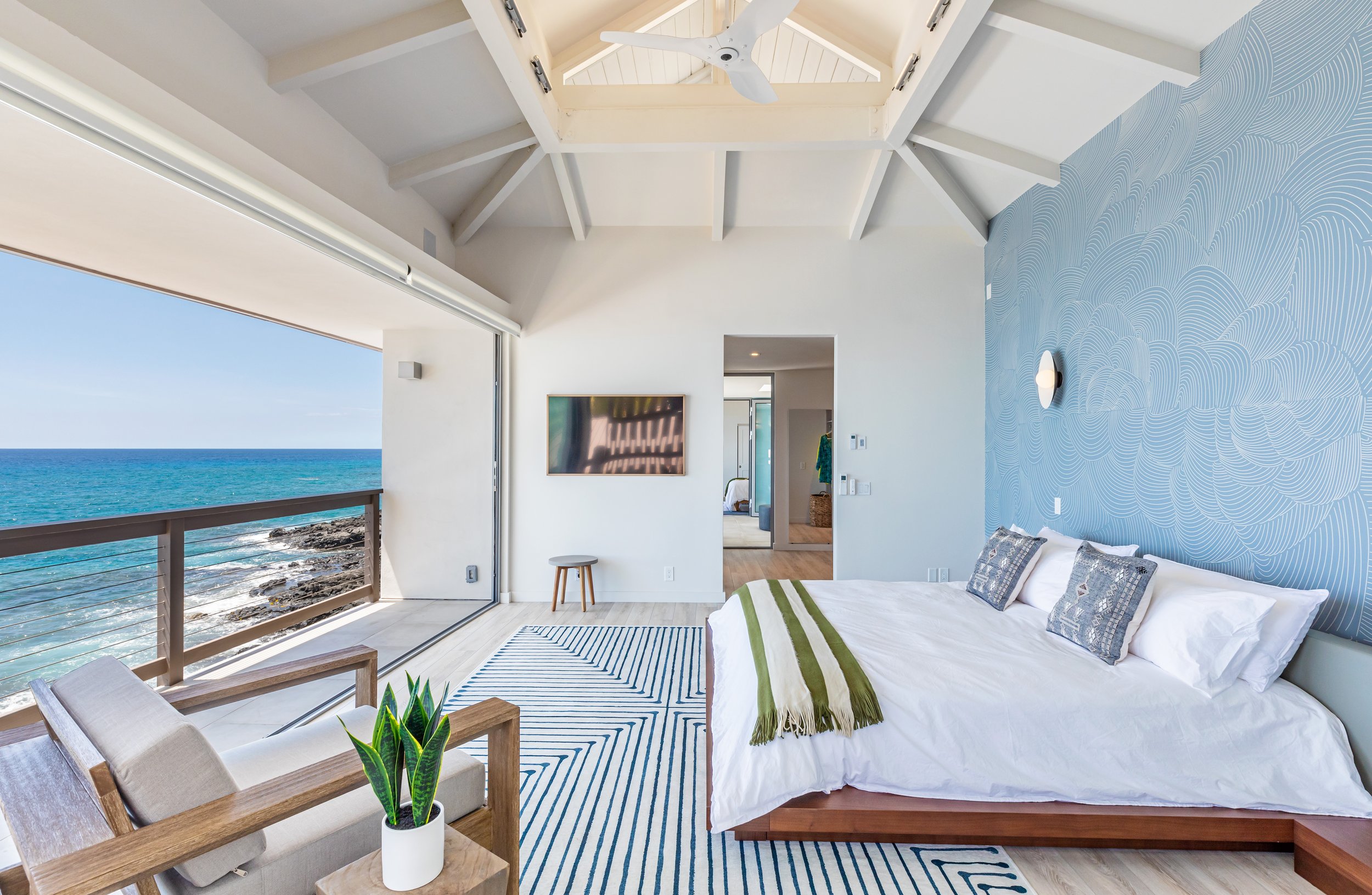
Living Stories: In Their Own Words
Living Stories: In Their Own Words is a Dayhouse Living Issue 3 article from Dayhouse Studio on living stories of healing spaces told in their own words. Complementary to medical care, not a substitute. Based in Salt Lake City, we share science-backed ideas for restorative living.
Jill Malek
Real People, Real Transformations
How five people around the world discovered that their homes could be medicine and what their stories teach us about the power of therapeutic environments
Written by Dorothy Huntsman, Edited by McKenzie Lunt
After spending four years watching my health mysteriously disappear due to environmental toxins then a protocol using biopilic design and self-care practices to heal my symptoms, I began seeking out others who understood the powerful connection between environment and health.
What I discovered was remarkable: people everywhere were experiencing their own transformations through intentional design.
A sister finding healing through art. A mother creating a pandemic sanctuary that saved her family's mental health. A design professional pivoting her entire career after experiencing the healing power of environments.
These stories found me as I built this issue. Each one validates what I learned through my own crisis: when we design with intention, when we prioritize health over convention, when we listen to what our bodies are telling us about our environments, extraordinary healing becomes possible.
Here are their stories.
Story 1: Painting Life Back into White Walls
How nature-inspired art became a lifeline in the darkest hours
About Ozge Fettahlioglu Ozge is a biophilic interior designer and founder of Cocoplum Design Studio in Sydney, Australia. She specializes in wellness-focused spaces and is a board member of Biophilic Cities Australia.
At three o'clock in the morning, hospitals exist in a kind of static limbo. The air is sharp with cold, and the fluorescent lights overhead cast a clinical, unfeeling glow over the hallway. I spent too many nights in that liminal space — slipping out of my sister's room so she could sleep, wandering the cancer ward while the rest of the world found its slumber.
Dorothy's Note: "Ozge's story illustrates what I learned during my own health crisis: when our bodies are under extreme stress, even the smallest connection to nature can provide profound healing. That Monet print wasn't just decoration it was environmental medicine in action. This is why every healing space I design includes intentional nature-inspired elements."
Story 2: My Journey with Biophilic Design: A Path to Healing and Resilience
About Mona Semroune Mona is a biophilic design advocate with a background in international business and marketing. Her passion for nature-infused spaces emerged from personal healing experiences.
Biophilic design has played a transformative role in my life, shaping not only the spaces I inhabit but also my mental and emotional well-being. My first experience with it came after a deeply traumatic event that left me in a prolonged state of depression. At that time, I was advised to take medication, but I chose a different path, I decided to create a home that would serve as a sanctuary for healing.
Dorothy's Note: "Mona discovered what I learned through my environmental health crisis: when conventional medicine isn't enough, our environments can step in as healers. Her pandemic sanctuary proves that biophilic design isn't just for recovery, it's for resilience. This is exactly the type of preventive environmental medicine I now create for families."
Story 3: From Hairdresser to Healer: My Journey into Biophilic Design
About Jo Caughtry Jo is a registered nurse turned biophilic design specialist who focuses on transforming healthcare environments. She founded Sea of Ideas Design after experiencing the healing power of intentional environments firsthand.
My journey into healthcare and design wasn't a straight path. I began my career as a hairdresser, working with people, listening to their stories, and creating an experience that made them feel good.
But life had other plans. When my father suffered a severe stroke, I became his carer. That experience changed everything for me.
Dorothy's Note: "Jo's transformation from patient to healthcare design advocate mirrors my own journey from victim to healer. Her experience as both nurse and patient gives her the unique perspective I gained from my environmental illness, sometimes you have to live the problem to truly understand the solution."
Story 4: The Plant That Sparked a Movement
The desk plant that changed everything
About Alexandra Bowen
Alexandra is the founder of the Biophilic Design Community and holds a degree in Environmental Design and Urban Planning. She specializes in urban sustainability and community engagement projects.
I never thought a plant could change my life.
I was raised in the mountains and on the sandy beaches of Oahu, Hawaii. When I first moved to the mainland from Hawaii, I felt a sense of loss I couldn't quite explain. In Oahu, I had been surrounded by the pulse of the natural world, ocean waves humming against the shore, the rustle of trees in the trade winds, the sweet scent of plumeria floating in the air.
Dorothy's Note: "Alexandra's 'green withdrawal' validates what I experienced during my healing journey, our bodies literally crave connection with nature. Her community-building work proves this isn't just about individual healing; it's about creating a movement that transforms how we think about our relationship with the built environment."
Story 5: When Wildfires Stole Our Outdoor Sanctuaries
Bringing the forest inside through design
Jill Malek, Surface Pattern Designer
Specializing in Wallcoverings & Textiles, her designs are characterized by their organic frequencies and patterns inspired by nature, from the Northern Lights of Iceland to flocking birds, all aimed at creating spaces that inspire calm and transformation.
When natural sanctuaries vanish overnight, we're reminded of their irreplaceable role in our wellbeing. This piece explores one designer's journey from winter walks through the Catskills to creating nature-inspired interior products that channel outdoor tranquility into our homes. As California communities grapple with the loss of beloved landscapes to wildfire, discover how the "Into the Woods" initiative transforms art into action, bringing the healing essence of nature indoors while supporting those whose outdoor refuges have turned to ash.
Shop “Into the Woods” – 100% of Proceeds to Wildfire Relief
“Into the Woods” is the first product release in our Tinted Grasscloth line, featuring rich dimensionality through woven natural fibers and delicate color washes.
100% of proceeds from this launch will be donated to wildfire relief efforts via the American Red Cross and California Community Foundation.
Dorothy's Note: "Jill's response to the LA wildfires perfectly captures why biophilic design isn't luxury, it's necessity. When environmental disasters cut us off from natural healing spaces, our homes must step in as sanctuaries. This is the same principle I learned during my environmental health crisis: sometimes our indoor environment is our only path to healing.
What strikes me most about Jill's approach is how it reflects who she is as a person — kind, gracious, and heart-centered. Her response to crisis is about understanding the deep human need for connection to nature, especially when the world outside feels unsafe or inaccessible. This compassionate perspective, rooted in genuine care for people's wellbeing, is what makes her work so much more than decorative. It's healing transformed into art, something only possible through her unique combination of heart, extraordinary creativity, and remarkable talent."
As I reflect on the five stories shared in this special Living Stories feature, a clear pattern emerges; one that affirms what many of us have felt intuitively, and what science increasingly supports: design is not just aesthetic; it is medicinal. Each story brings this truth to life in a distinct and powerful way.
Ozge reminded us how even a single piece of art, when thoughtfully chosen, can serve as emotional scaffolding during life’s darkest moments. Mona demonstrated how biophilic design can step in where pharmaceuticals fall short, turning lockdown into liberation. Jo’s path, shaped by caregiving and clinical experience, showed how healing environments must extend to hospitals and not just homes. Alexandra turned a single desk plant into a movement, revealing that healing is communal, not just personal. And Jill, whose designs already channel nature's calming presence into interior spaces, felt compelled to help when she realized the wildfires had stolen people's access to their outdoor sanctuaries, the very places that inspire her work.
Across these stories, I see not just recovery, but resilience. Not just comfort, but transformation. And above all, I see proof that design isn’t just how a space looks, it’s how it feels, how it functions, and how it can restore us.
This collection is a love letter to every reader who has ever walked into a space and felt something shift, something soften or settle within them. It’s a call to action for designers, homeowners, caregivers, and citizens alike: to stop thinking of our homes as static backdrops, and start seeing them as dynamic partners in our well-being.
If you take one message from these stories, let it be this: healing doesn't have to wait for crisis. It can begin with a single intentional choice — plant, texture, scent, material. These are the quiet agents of change. When combined with care and clarity, they become nothing short of life changing.
Thank you for walking this path with us. We are just getting started.
Let’s keep designing for life.
What This Means for You
The Science That Can't Be Ignored
What you've read in these pages isn't just about feel-good wellness. It's evidence-based environmental medicine backed by decades of research:
Viewing nature reduces cortisol levels by up to 20% (Tyrväinen et al., 2014, Environmental Research)
Hospital patients with nature views require 30% less pain medication (Ulrich, 1984, Science)
Wooden surfaces in bedrooms improve sleep quality and autonomic nervous system function (Grote et al., 2021, International Journal of Environmental Research and Public Health)
Indoor plants can reduce psychological stress by 37% and depression by 58% (Lohr et al., 1996, Journal of Environmental Horticulture)
But here's what those studies miss: the lived experience of transformation.
You don't need to wait for a crisis to start creating healing environments. These stories show that transformation can begin with the smallest changes:
One piece of nature-inspired art (like Ozge's Monet)
A single plant on your desk (like Alexandra's catalyst)
Natural materials and earth tones (like Mona's sanctuary)
Intentional lighting and window placement (like Jo's healthcare insights)
Textural elements that connect to nature (like Jill's grasscloth)
The science supports what these stories prove: homes can be medicine. When we design with intention, when we prioritize our body's innate need for nature, when we create spaces that support rather than stress our nervous systems, extraordinary healing becomes possible.
Join The Living Stories Movement
These five stories prove what I learned through my own crisis: homes can be medicine, environments can heal, and design can save lives.
But this is just the beginning. Around the world, people are discovering the power of intentional environments to transform their health, their relationships, and their lives.
Share Your Story
Have you experienced healing through design? Has your environment played a role in your recovery, resilience, or transformation?
Submit Your Story to be featured in future issues of Dayhouse Living.
Connect with the Community
Join others creating healing environments:
Be the first to read new Living Stories
Connect with others transforming their spaces
Access Dorothy's ongoing healing journey
Early alerts for therapeutic home products
NEXT:Take "Dorothy's Home Health Assessment" — discover if your environment is supporting or undermining your health
EXPLORE:"Your Home Is Medicine: The Science of Healing Spaces" — transforming our homes into therapeutic tools for chronic pain, depression and migraine
Research Citations
Kaplan, R. & Kaplan, S. (1989). The Experience of Nature: A Psychological Perspective. Cambridge University Press.
Nadkarni, N. M., et al. (2017). Impacts of nature imagery on violent behavior in prison. Frontiers in Ecology and the Environment, 15(6), 321-322.
Ulrich, R. (1984). View through a window may influence recovery from surgery. Science, 224(4647), 420-421.
Bratman, G.N., et al. (2012). The impacts of nature experience on human cognitive function and mental health. Annals of the New York Academy of Sciences, 1249(1), 118-136.
LinkedIn: linkedin.com/company/biophilic-design
Yao, W., et al. (2021). Impact of Exposure to Natural and Built Environments on Positive and Negative Affect: A Systematic Review and Meta-Analysis. Frontiers in Public Health, 9, 758457.
Queen, N.J., et al. (2020). Improvements to Healthspan Through Environmental Enrichment and Lifestyle Interventions: Where Are We Now? Frontiers in Neuroscience, 14, 605.
SOURCES / Further reading
Healthy Dwelling (MDPI 19/4/2248)
Therapeutic Home Environment (MDPI 14/9/1123)
Dayhouse Studio · Salt Lake City, UT


Related Articles
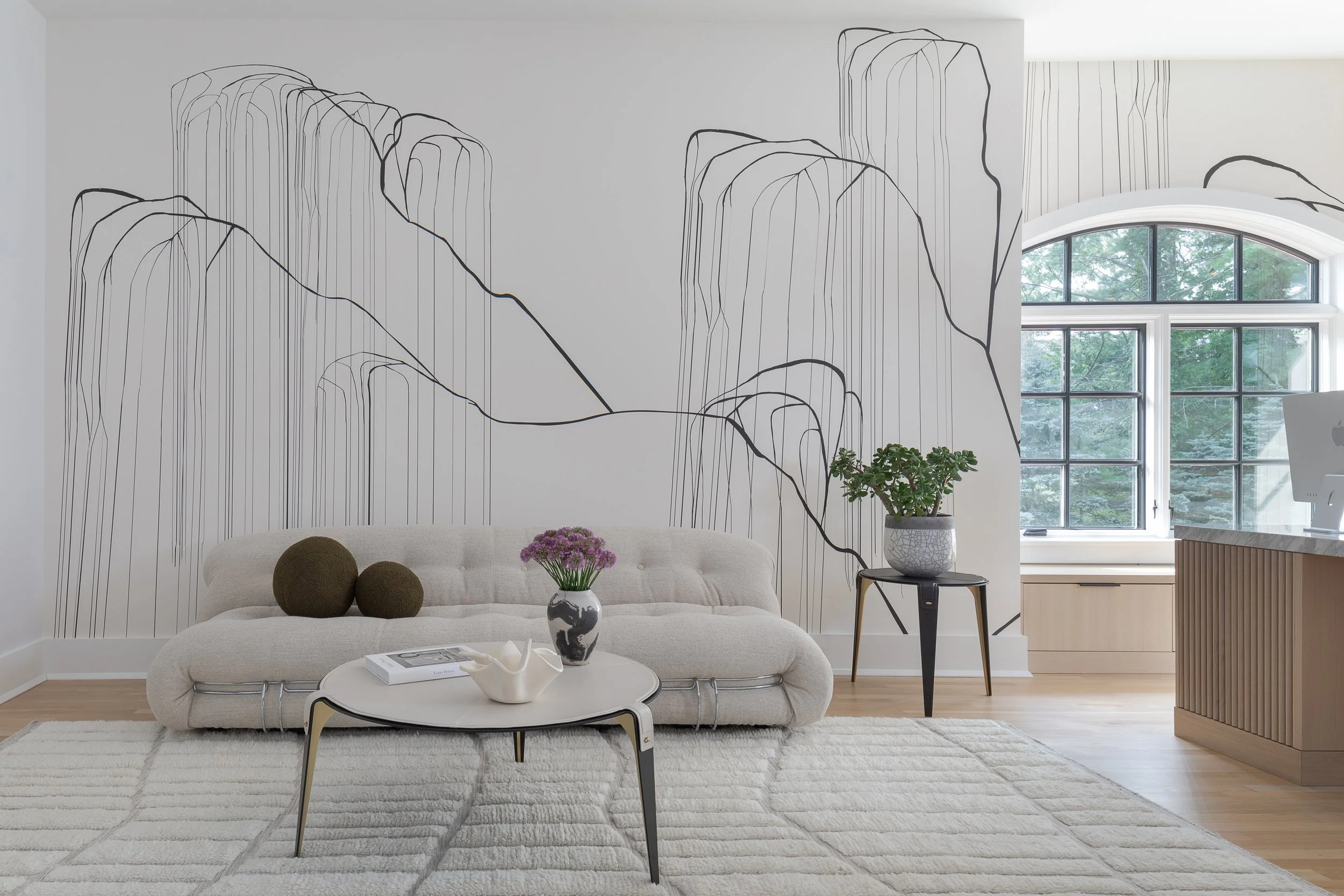
Like Birds at Dusk: A Sensory Journey Through Jill Malek's Design World
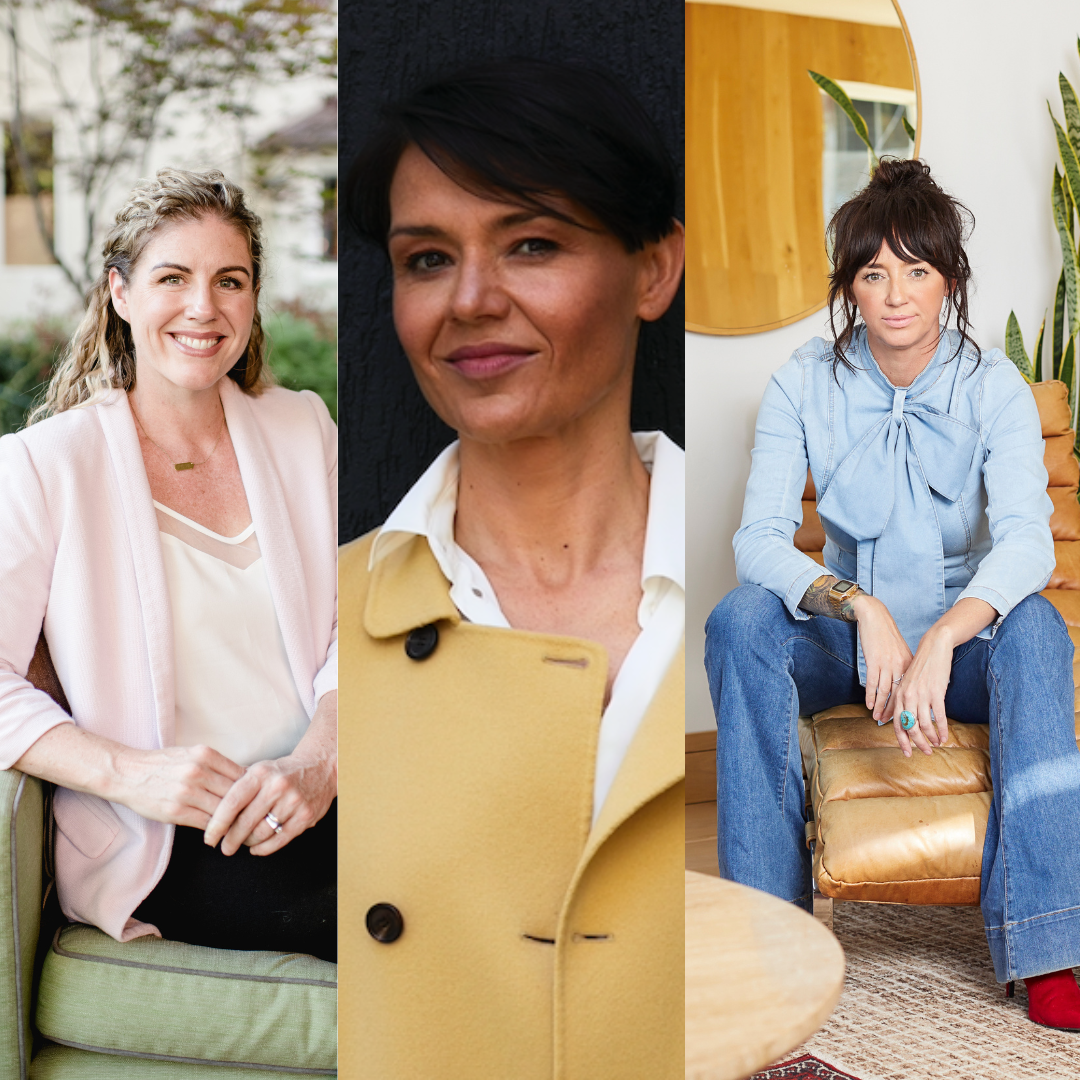
3 Expert Tips on Managing Stress and Enhancing Mental Well-being Through Home Design

Healing by Design